advice

This section brings together all the best practices from design to execution of efficient stainless steel bar stations. As every establishment has its own specifics, we share our knowledge and industry experience as bar designers and builders to help you better understand your project.

ILLUMINATING THE COUNTER AND BACK BAR IN THE RULES OF ART

- Categories : Best practices

In addition to managing the scenographic lighting of the entire establishment, it is important to consider the lighting of the technical part of the bar. This technical lighting is also an asset for bar decoration. The technical lighting helps to maintain a comfortable working environment for the bartender. Several light sources need to be addressed, such as the lighting of the bottles, the illumination of the back counter, the lighting of the work surface in front of the bar, and, at the lower part, the refrigerators and possibly the floor, steps, and thresholds if the bar is equipped with them. To help you design your bar, we also provide you with the dimensions to respect at the bar.

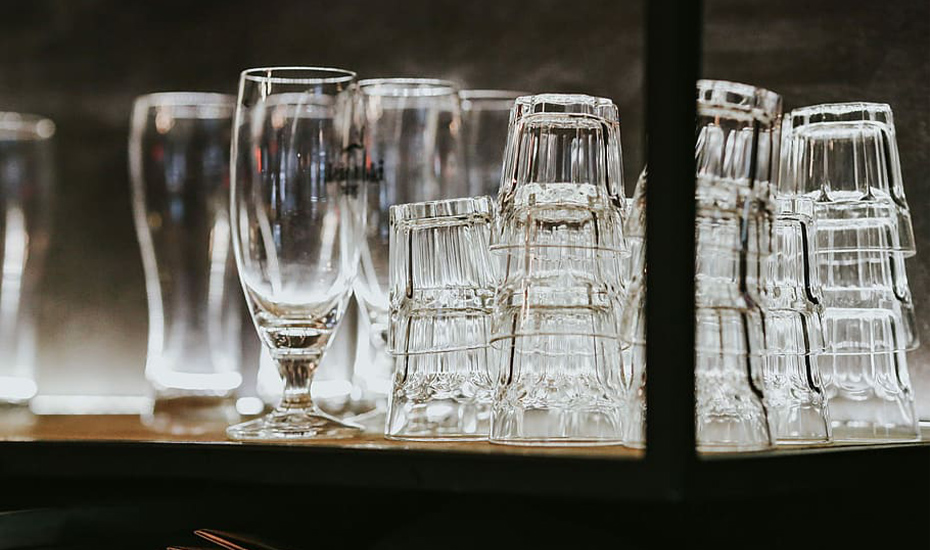
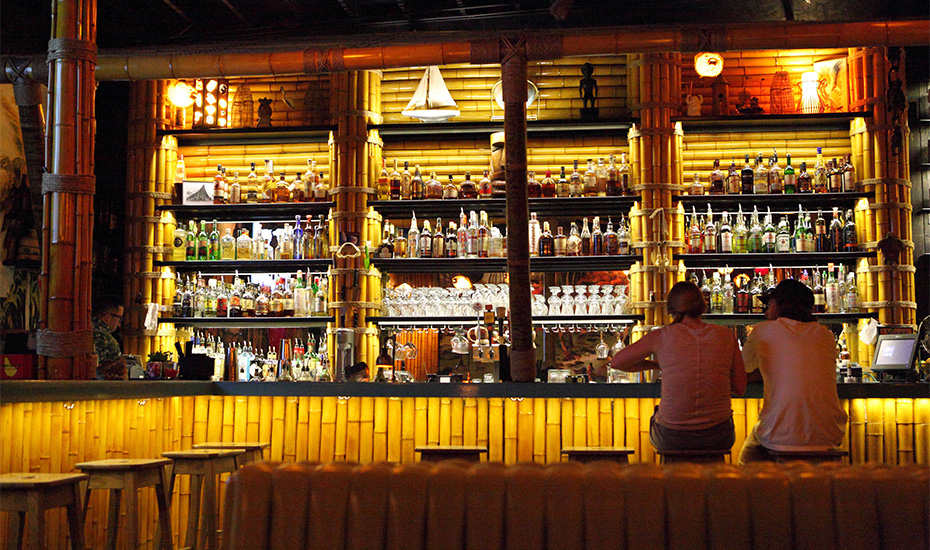
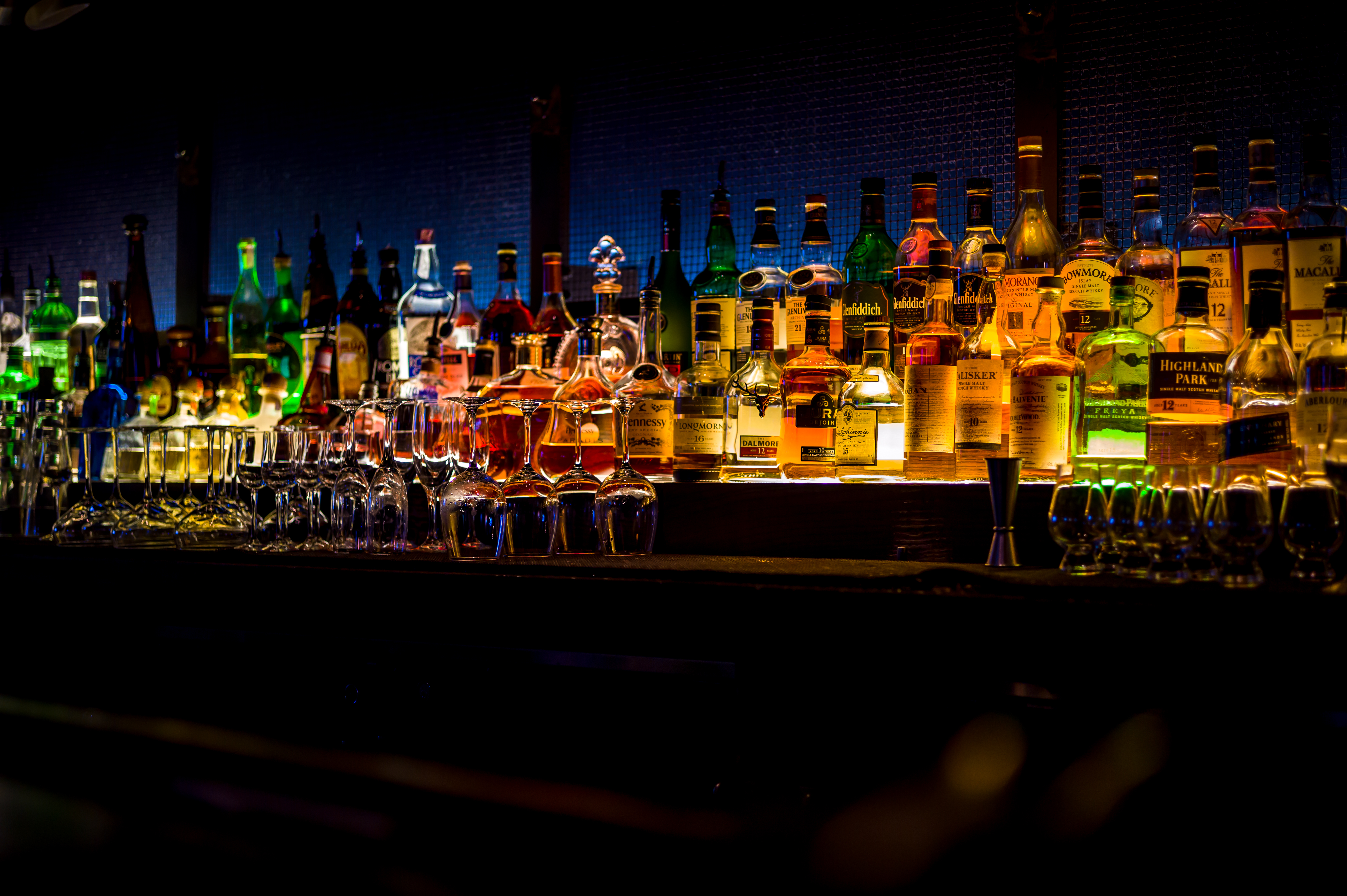
On the back counter, if the bartender doesn't work there much, purely technical lighting is not essential. Being a part visible to customers, aesthetic appeal is prioritized. One can choose discreet illumination to highlight the stored glassware or bottles.

Diagram explaining how to properly light your bar

Lighting Techniques

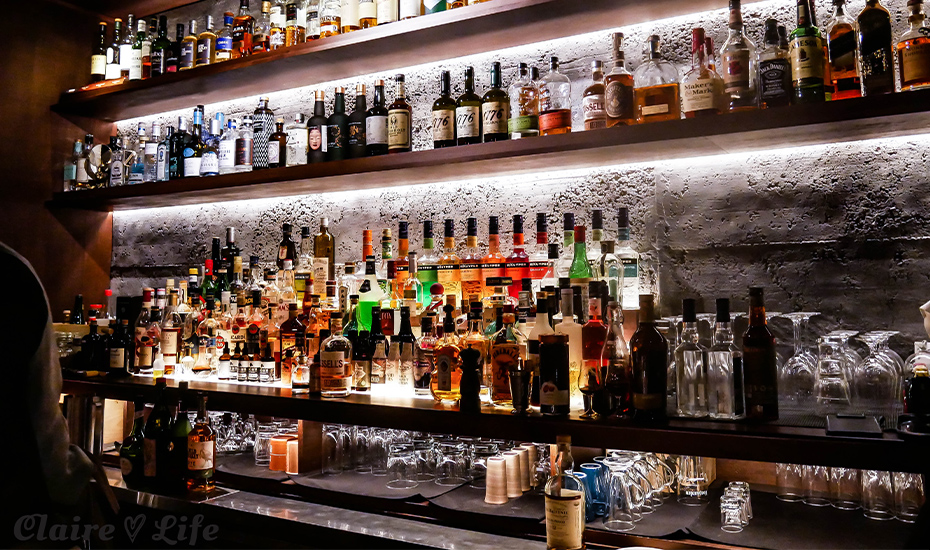
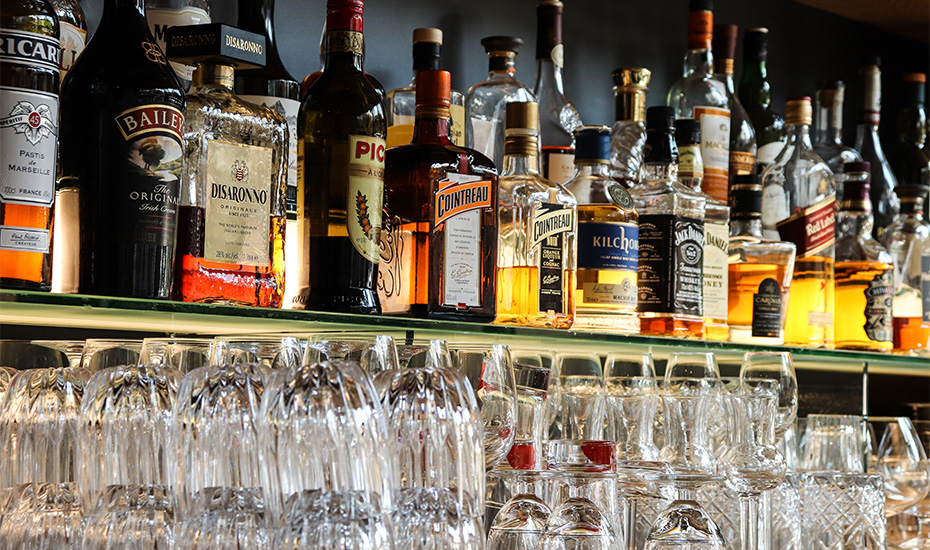
- A: One of the most beautiful visual renderings of a glass display lighting is the lightbox technique. The shelf contains light sources that pass through a diffusing glass to illuminate the bottles. The advantage of this technique is the lighting of the entire bottles, labels, interiors, and liquids. The visual effect is guaranteed. If the decorator does not want to reveal too prominent light points, they should ensure to install the light shelves above the customers' line of sight. If this system is positioned below the customers' line of sight, it is advisable to reduce the light intensity.

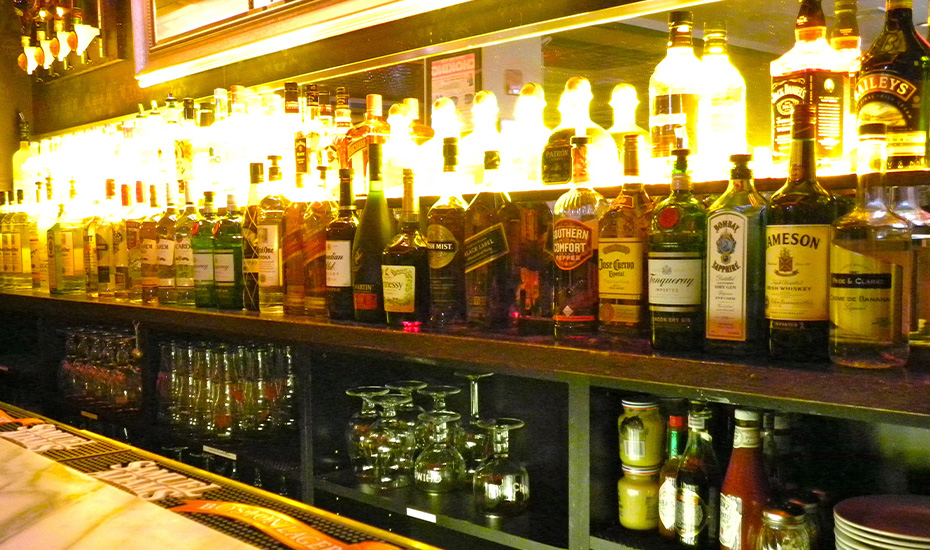
- B: It is possible to illuminate the glass display from the top shelf with separate light points or a LED strip with a diffusing cover. The advantage of this technique is that it does not dazzle the bar customers, but this light source creates many shadows between the bottles. To be sure not to dazzle the customers, follow the advice on dimensions to respect at the bar. 

Example of poorly adjusted lighting leaving bottles in the foreground without enhancement, contrasting with a very illuminated background of bottles.

Lighting of the bottles on a bar shelf

- C: By multiplying the light sources, shadows are reduced, creating beautiful reflections on the glassware.

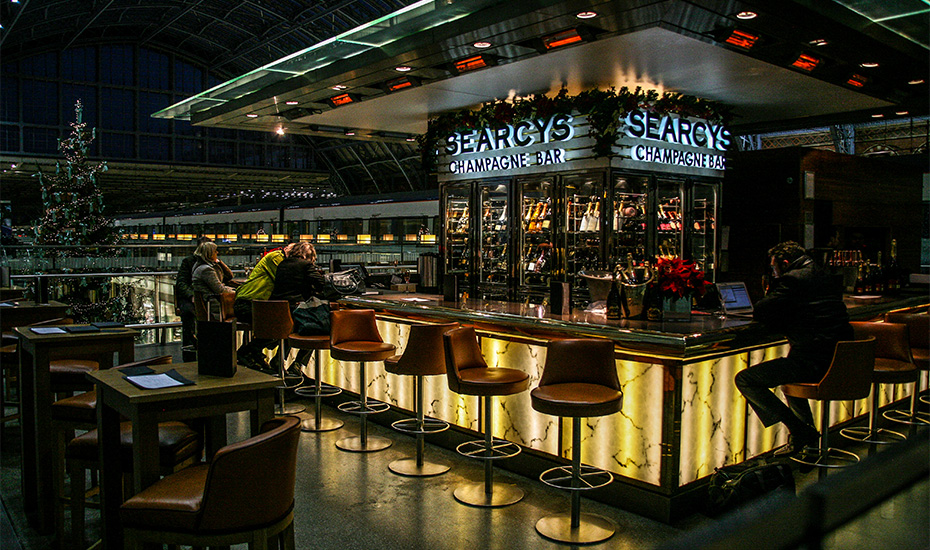
- D: Some rare establishments choose to integrate a light rail under the back bar counter. This highlights custom refrigerators or stainless steel bar fittings. As it is a grazing light, this type of lighting mainly emphasizes the textures.

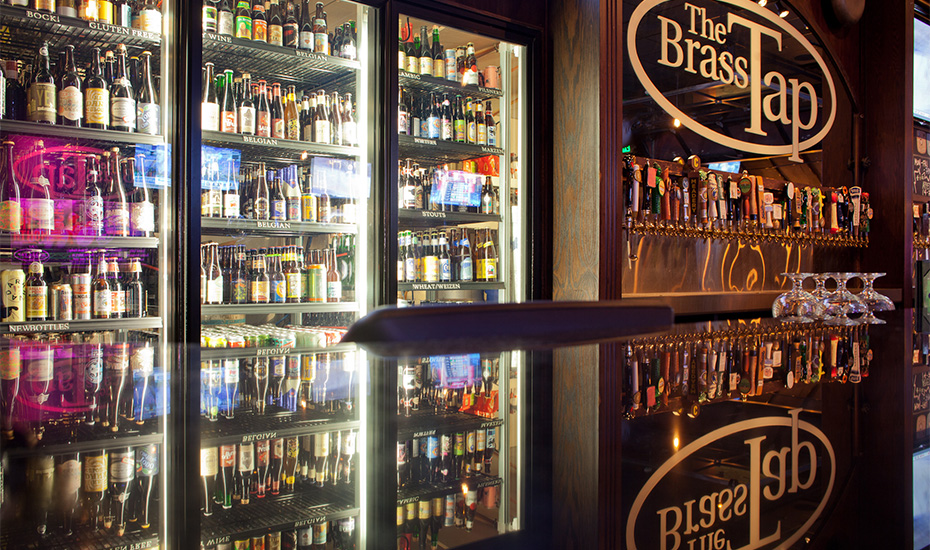
- E: Whether it has a glass door or a solid door, refrigerators with interior lighting are much more convenient for the bartender. In the case of glass doors, the lighting inside the refrigerator highlights the setup.


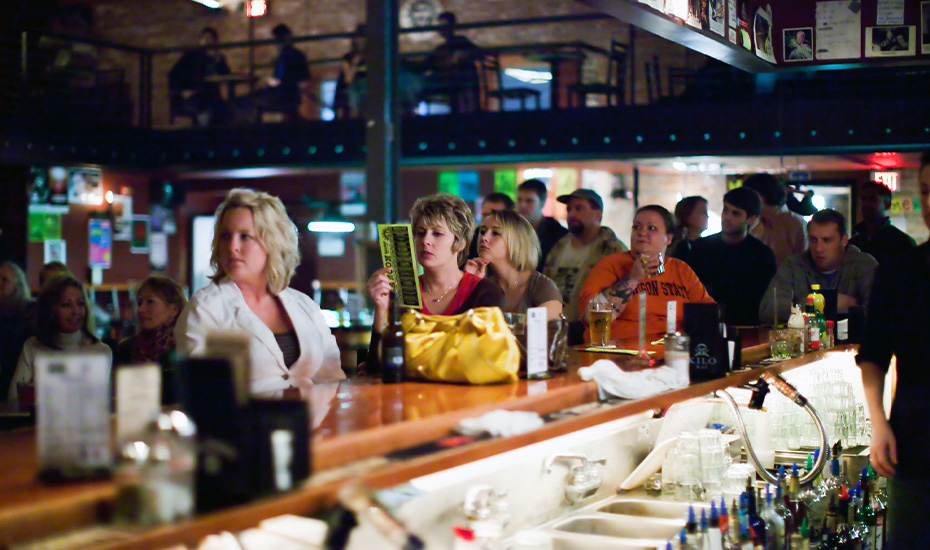
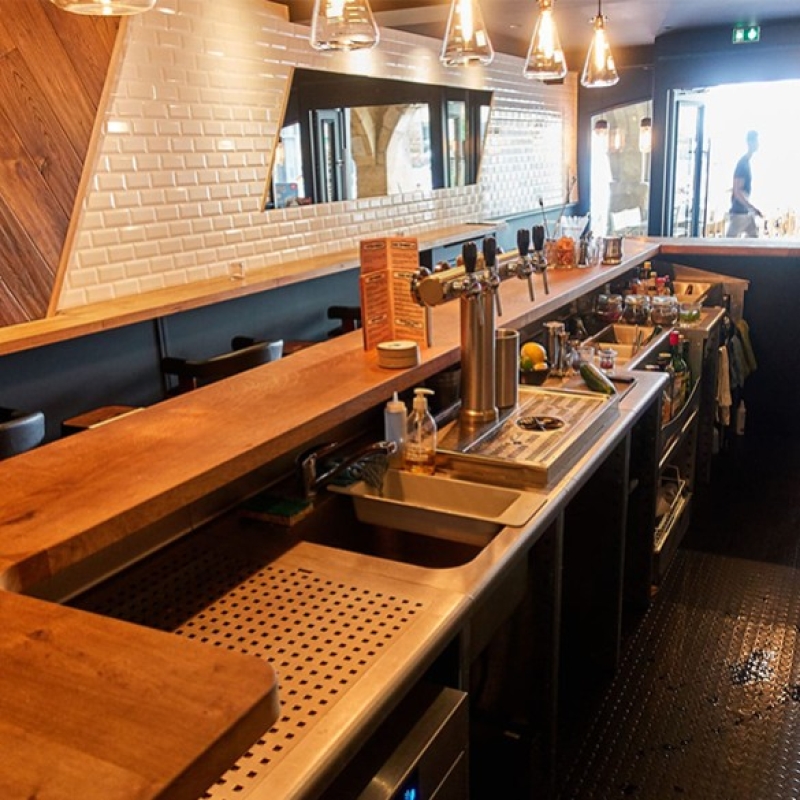
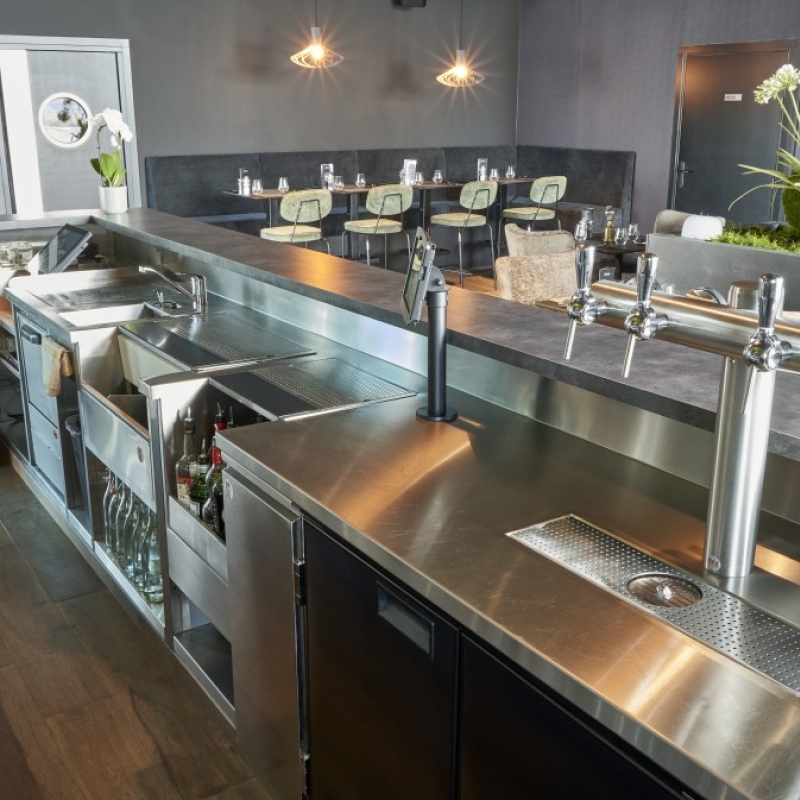
- F: To allow the bartender to work comfortably, we recommend illuminating the entire work surface. Since the work surface is stainless steel, lighting under the customer counter reflecting off the stainless steel backsplash highlights the entire workstation. The lighting of the bartender's work surface is most often done under the customer counter, using a LED strip along the entire length of the bar. Ideally, we recommend choosing LED strips with a temperature of 2200 K° to 2500 K°. This lighting temperature corresponds to a warm or amber white, which is the most commonly recommended as it easily integrates into most decorations. The light intensity can range from 1200 to 1800 lumens, which sufficiently illuminates the work surface without creating light pollution throughout the bar. To achieve this light intensity, it represents a minimum of 120 LEDs per meter. The entire setup should be dimmable. The LED strip should not be directly glued under the customer counter but integrated into a special aluminum-type rail, preferably at 45° along the entire length with an opal diffuser to avoid reflections of the unsightly small light points of the LED diodes on the stainless steel work surface. The entire installation should have a minimum final protection index of IP4 to IP7, meaning at least 4 to be protected against water splashes, but ideally 6 protected against strong water jets.
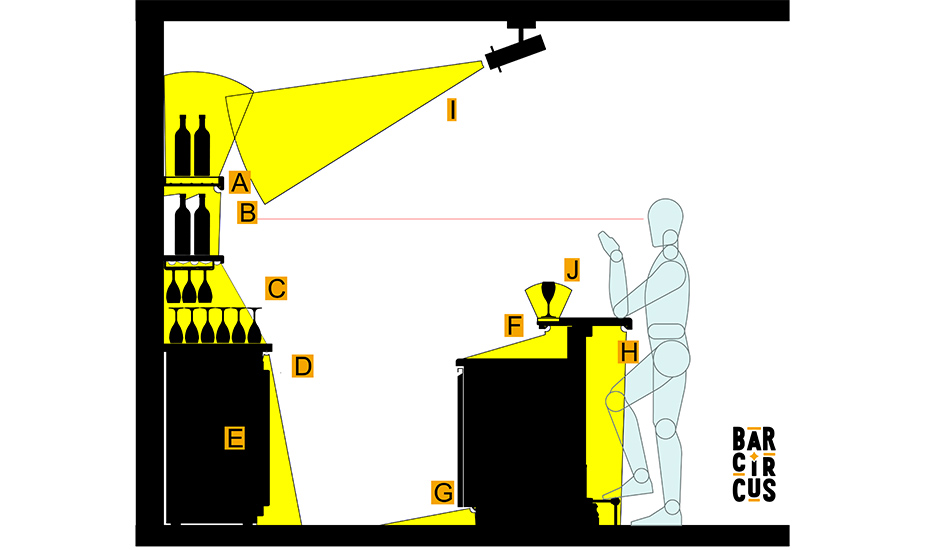
- G: Some establishments highlight the lower part of the furniture to create a levitation effect, especially when dealing with threshold steps or to indicate various reliefs.

- H: A purely decorative choice, facade lighting must be carefully considered. A common pitfall in establishments is lighting that is too close to the facade, which doesn't illuminate the entire facade. Depending on the desired effect, it is important to be cautious with the placement of the lighting, the light intensity, and its color. The light source can also be backlit as in the example below.

- I: For a traditional scenic effect, spotlights or framing projectors can light up the glassware. This very simple technique allows for illuminating the labels and bottles.

- J: Luminous preparation grids on the customer counter add a theatrical touch to cocktail preparation.

Due to the proximity to water along the entire length of the bar, it is advisable to group the switches and control boxes in a protected part of the bar. The lighting electrical lines should be separated on the main circuit breaker.

You may also be interested in these other tips