Bar Flooring
The importance of flooring in a bar is paramount, as it concerns safety (slips) and hygiene (risk of contamination). Floor contamination remains significant because it occurs during cleaning with brushes and sprays, creating aerosols that settle like dust on all bar surfaces.
The desired qualities of the flooring should therefore offer:
- A non-slip surface.
- Easy cleaning and disinfection.
- Preservation of surface qualities over time despite the chemical, mechanical, and physical constraints of the bar environment.
To achieve this, we have identified two types of flooring capable of offering these qualities in a bar: tiles and flooring commonly known as "resin-coated." It is recommended to use tiles for small areas because they are easier to install than resins. These two surfaces can only be installed on solid slabs previously mentioned.
Bar Tiles:
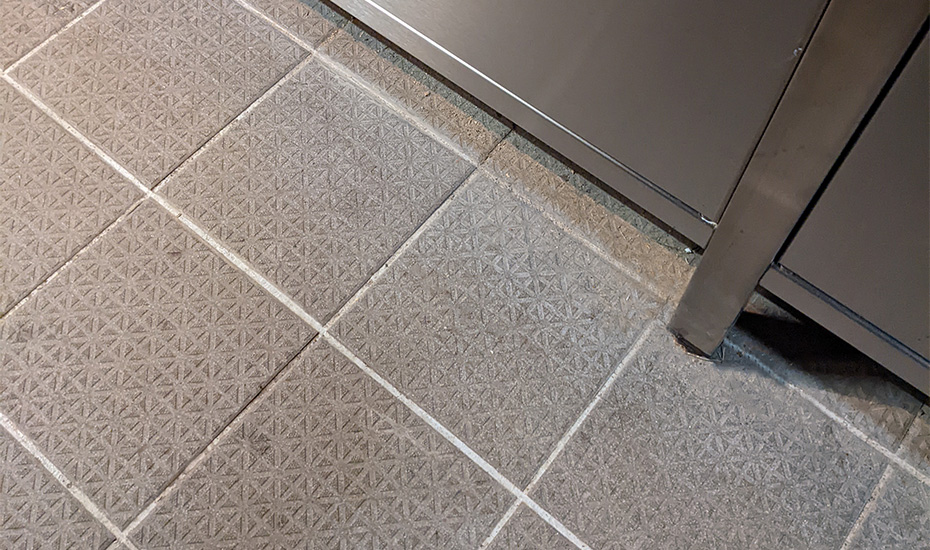
Tiles are the ideal choice in the bartender's workspace. It goes without saying that installation should follow the manufacturer's recommendations, and joints should be properly done with resin joints recommended by the manufacturers to ensure the area's watertightness and durability. It is advisable to use white tiles for better visibility of dirt, but in the bar area, sometimes an aesthetic compromise is necessary, and darker tiles may be chosen.
Advice for choosing the right tiles behind the bar:
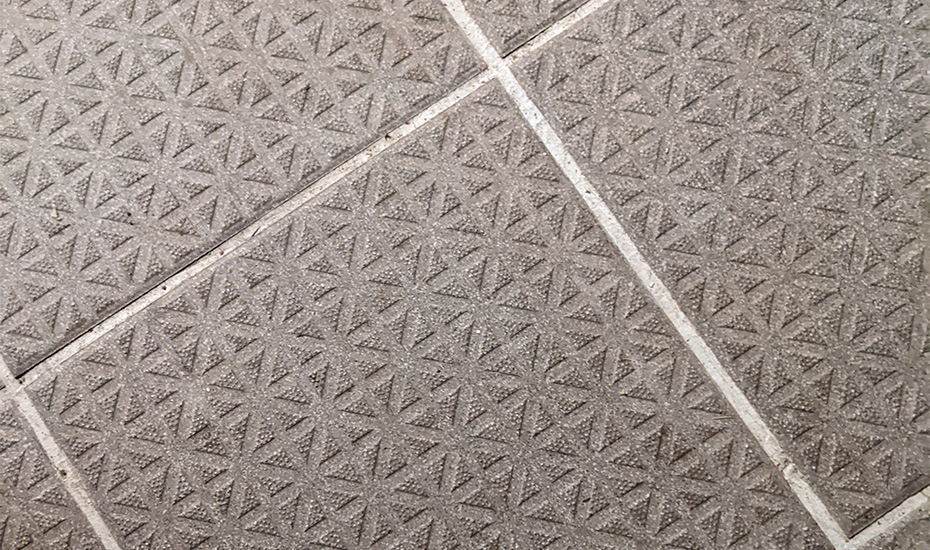
- Favor porcelain stoneware. Much more durable than standard tiles.
- Limit the joints by preferably choosing large-sized tiles.
- Restrict the choice to non-slip references. Preferably meeting at least R10 standard or higher.
- Choose tiles with a minimum resistance of U4, P4S, E3, or C2 of the UPEC standard.