advice

This section brings together all the best practices from design to execution of efficient stainless steel bar stations. As every establishment has its own specifics, we share our knowledge and industry experience as bar designers and builders to help you better understand your project.

CHOOSE AND CALIBRATE THE BEER STATION AT THE BAR

- Categories : Best practices

Professionals distributing to bars, hotels, and restaurants (CHR) agree that beer accounts for 45% of the volume compared to all beverages in the sector. Distribution remains very accessible, starting from simple refrigerated bottles to draft beer, which requires highly specialized technical skills.

It is traditional for beverage distributors to partially finance professional draft systems under distribution contracts covering a large portion of the bar's sales. However, more and more establishments prefer to maintain complete freedom in choosing their beers. Some establishments choose to equip themselves through an independent installer. They thus own their professional draft beer machines and freely choose the beverages they serve at the bar, particularly specialty beers. Recent years have seen the emergence of a diverse range of new beer industry projects, including specialized wine shops, breweries and microbreweries, and beer bars.

Various solutions exist to measure and calibrate your bar to distribute beer suited to the volumes and technical constraints.

Here is the list of possible service types:

Bottled Beer Service

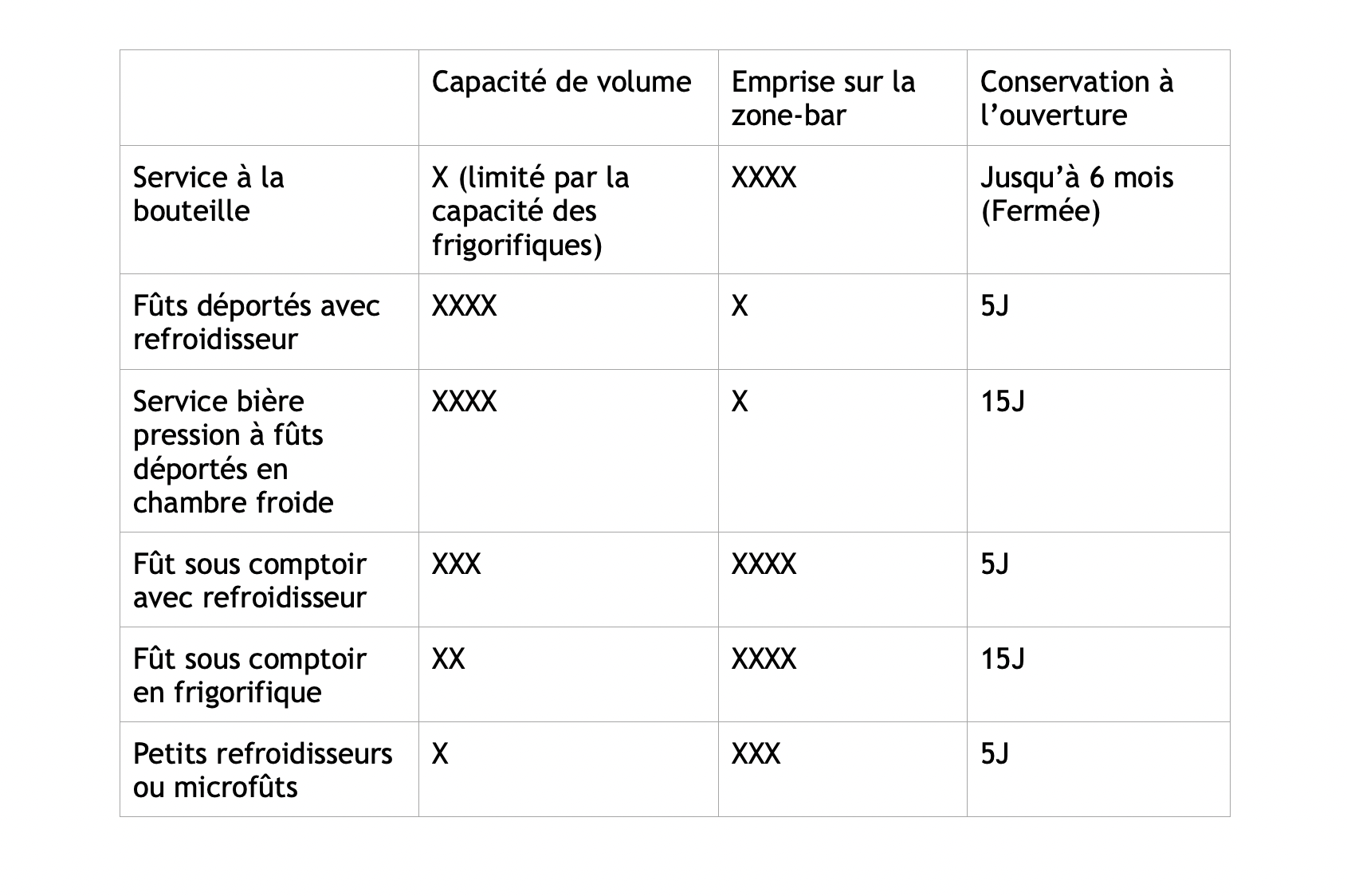
The simplest solution is to store the bottles in a refrigerator to serve them on order. The advantage is that in a restricted space where there is no room for a draft beer system, it allows offering a variety of beers. This mode of service makes sense in the case of low sales volume, as bottles have a longer shelf life than kegs. The downside is the space that bottles take up in refrigerators. This solution is therefore suitable for an establishment that doesn't have a high sales volume but still wants to offer diversity and/or quality beers. Bottle service can also complement a keg offering with specialty beers that have too low a sales volume to be distributed in kegs.

Remote Keg Draft Beer Service

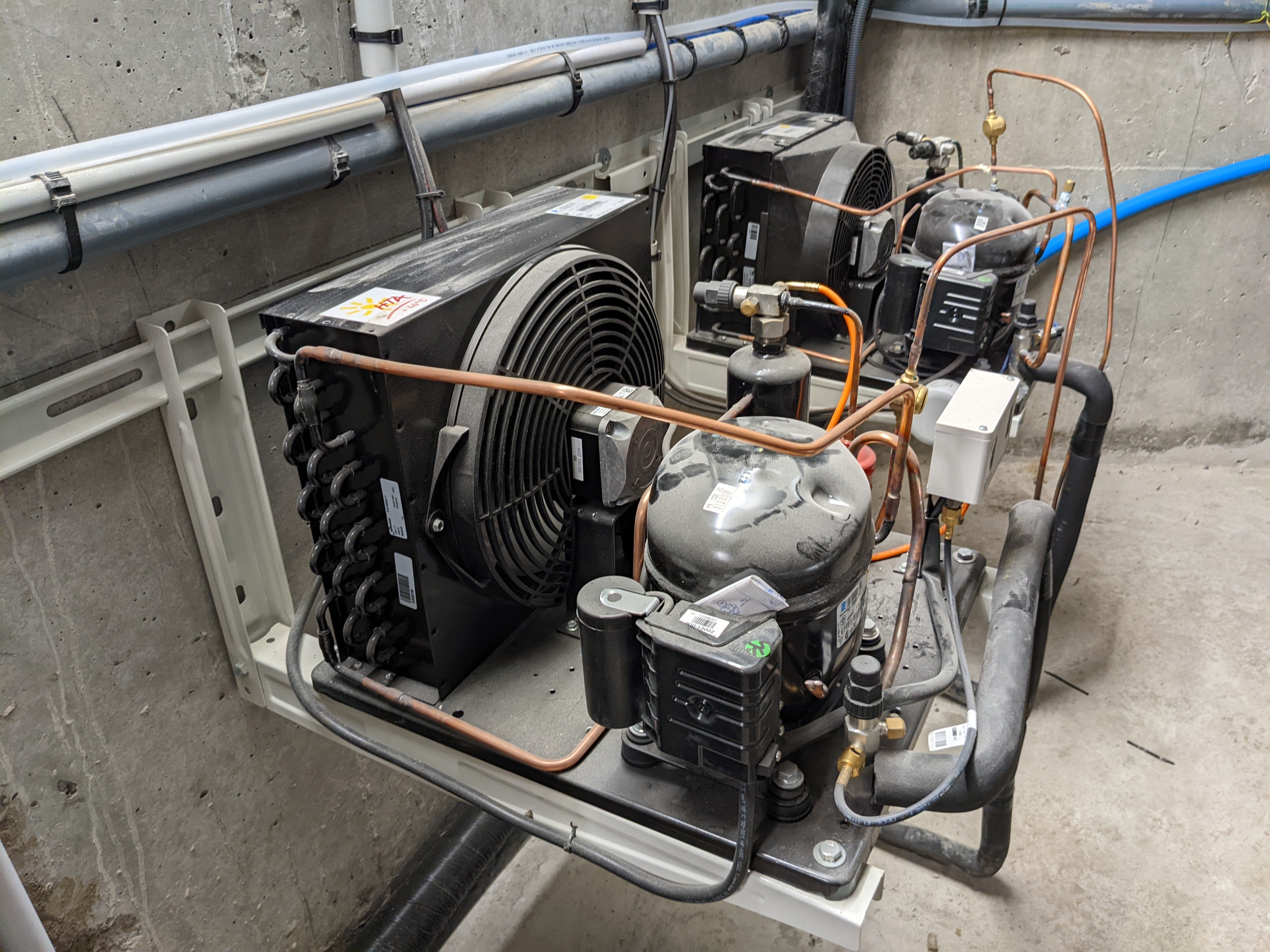
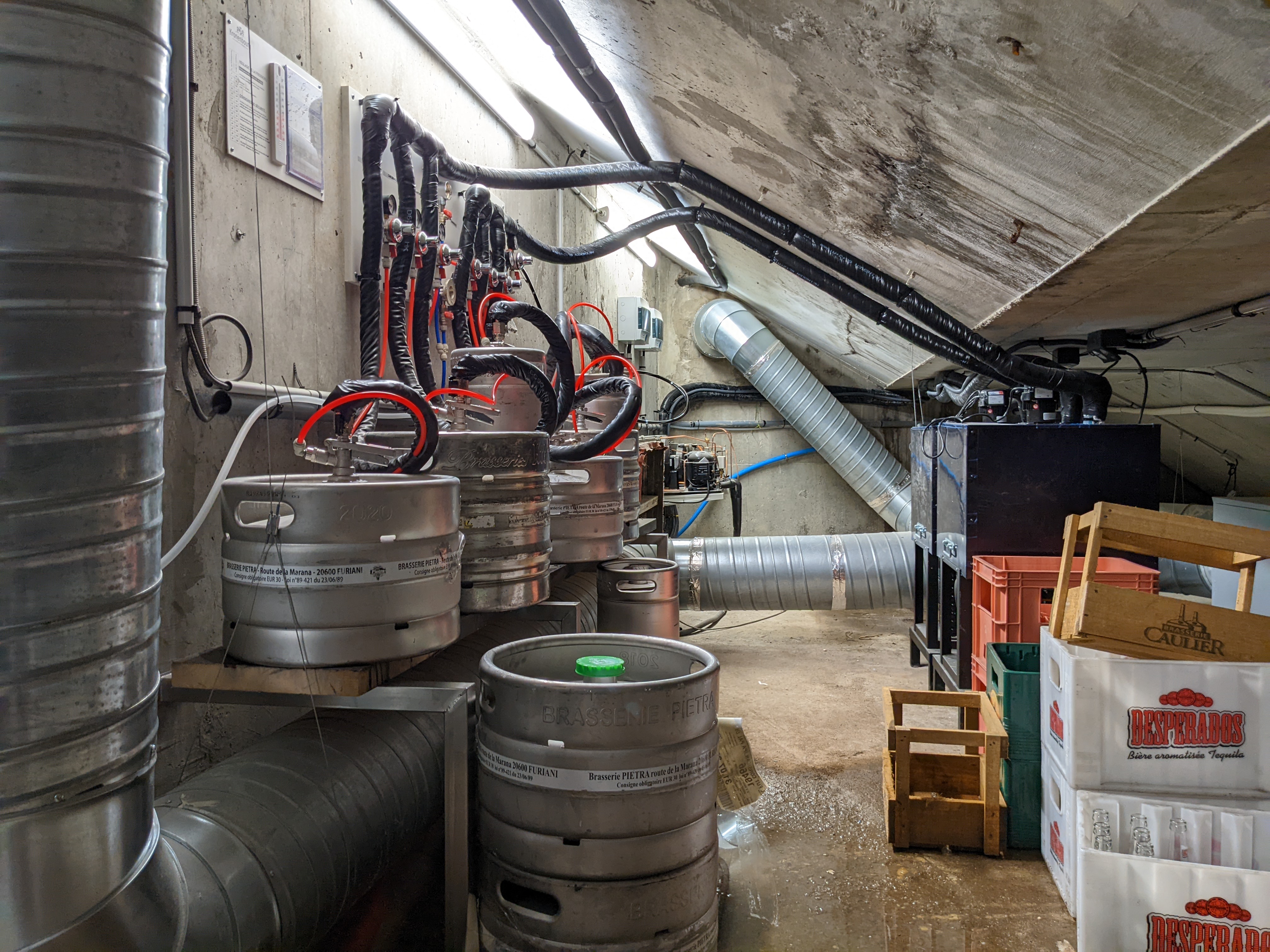
Also known as remote drawing. This is the most common system. The beer tower on the counter offers as many references as there are taps and kegs stored remotely. Kegs are often stored in the cellar or a neighboring technical room. The keg is kept at room temperature and passes through a cooler also installed on site. It is then transported from the location to the tower via a python line measuring 10 cm in diameter with an insulating sheath to keep it cold. A cold line circulating in a loop throughout the python line ensures the beer remains fresh all the way to the beer tower. This is the ideal solution as long as you know you can sell a 20-30L keg of a reference within 5 days. Beyond that, the beer is no longer consumable. This solution remains the preferred option because it saves space in the bar unit. To increase the shelf life, instead of using CO2 to pressurize the kegs, other types of inert gases can be used. However, this solution is very uncommon and depends on the beer's compatibility.

Remote Keg Draft Beer Service in Cold Room

Instead of cooling the beer through a chiller, the beer is stored in a cold room. To accompany it in the python line to the tap, a cooling line runs through the python line. This setup simplifies the machinery because if the establishment offers a variety of beers, only one cold room is needed instead of several chillers. The beer is preserved longer in the cold room. However, this solution is very space-consuming.

Draft Beer Service with Keg and Chiller Under the Bartender's Counter

Also known as direct draft. A similar solution to the previous one, the only difference is that instead of placing the machinery and kegs in a remote location, they are installed under the bar counter. Rarely installed, the chiller takes up a lot of space, requiring about 150 cm of space for one or two kegs. A gas bottle is also needed to pressurize the keg. The external finishes of the chiller are generally not very aesthetic and not practical to clean. This equipment is meant to be in a beer draft room. It's important to remember that this solution requires finishing the kegs in less than 5 days. This setup is very rare but can be found in older installations where it was not possible to relocate the kegs. The precious space taken by the draft system is really cumbersome, and choosing this solution deserves careful consideration.

Under-Counter Keg Beer Tap Service in a Keg Refrigerator

An interesting solution for establishments wishing to offer draft beer, but whose output volume does not allow for finishing a keg in less than 5 days. Since the kegs are themselves stored in a refrigerator, the chilled beer lasts longer. The principle is simple: a specific refrigerator is placed under the counter. This refrigerator can accommodate one or more kegs. The kegs are pressurized by an external gas bottle. The python line is not refrigerated, but the column is generally installed just above. The space taken up at the bar is typically 120 to 150 cm used for the refrigerator. The tap and the drip tray must be above for serving. The kegs must be placed in the cold room long enough before use to allow for serving at the ideal temperature. This is why this solution is not suitable for high-volume establishments. Generally, a keg currently being served should be accompanied by another keg of the same type in the refrigerator ready to replace the current one. To properly chill a keg, allow a minimum of 24 to 48 hours in the beer refrigerator. The number of kegs inside and the number of taps can vary, but often just for a single type of beer. This solution is very interesting for establishments that cannot consume a keg in less than 5 days, as the chilled kegs can be preserved for up to 15 days.

Service with Small Machinery

There are several solutions developed by beer brands or refrigeration brands to offer dry cold cooling for draft beer in miniature kegs. These solutions are interesting, but it's important to check the maximum liters per hour that can be cooled and also the visual integration into the bar. This is because these are often countertop machines that protrude from the counter. They are often geared towards individuals. This remains a supplementary solution with a small investment, allowing the offering of draft beer. Some of these machines are equipped with a compressor that allows them to operate without a CO2 keg. The more professional machines work with KeyKegs, which are disposable plastic kegs where the beer is pressurized inside a plastic pouch. Therefore, the beer does not come into contact with oxygen. The capacity of other solutions developed by brands is often 2, 5, and 6 liters per keg. We rarely recommend these solutions because the aesthetic integration is rarely successful, the volume backup is not a sustainable solution, and they are often developed by brands with specific packaging and connections, resulting in a less appealing cost per liter.

Positioning and Aesthetics of Beer at the Bar:

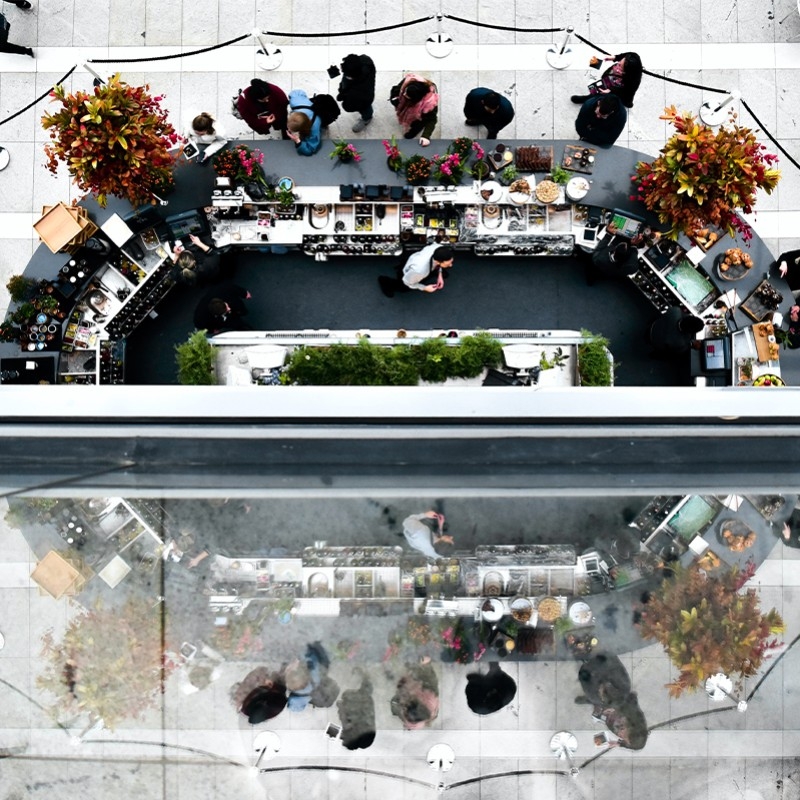
When working on a brewery bar counter, the first instinct of an experienced operator is often to place the beer tower in the center. This highlights the symbolic importance of a beer tower, as well as the financial significance of this key position. Today, the trend shift towards cocktails often causes the cocktail station and the beer station to compete for the center of the stainless steel bar unit.

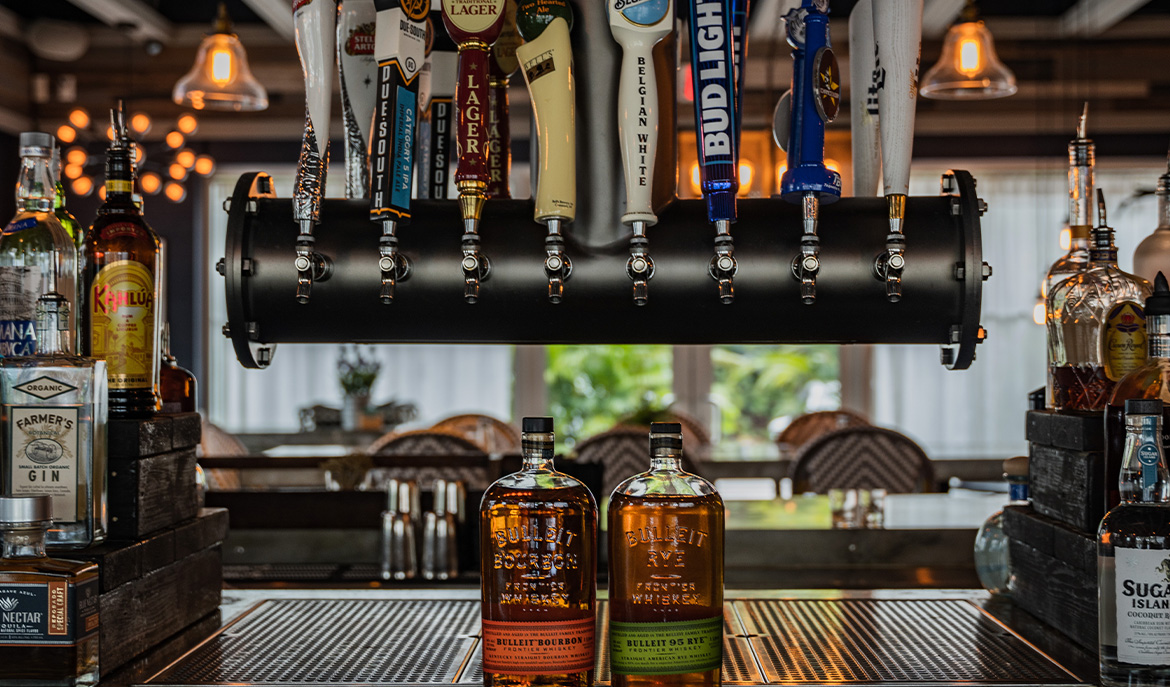
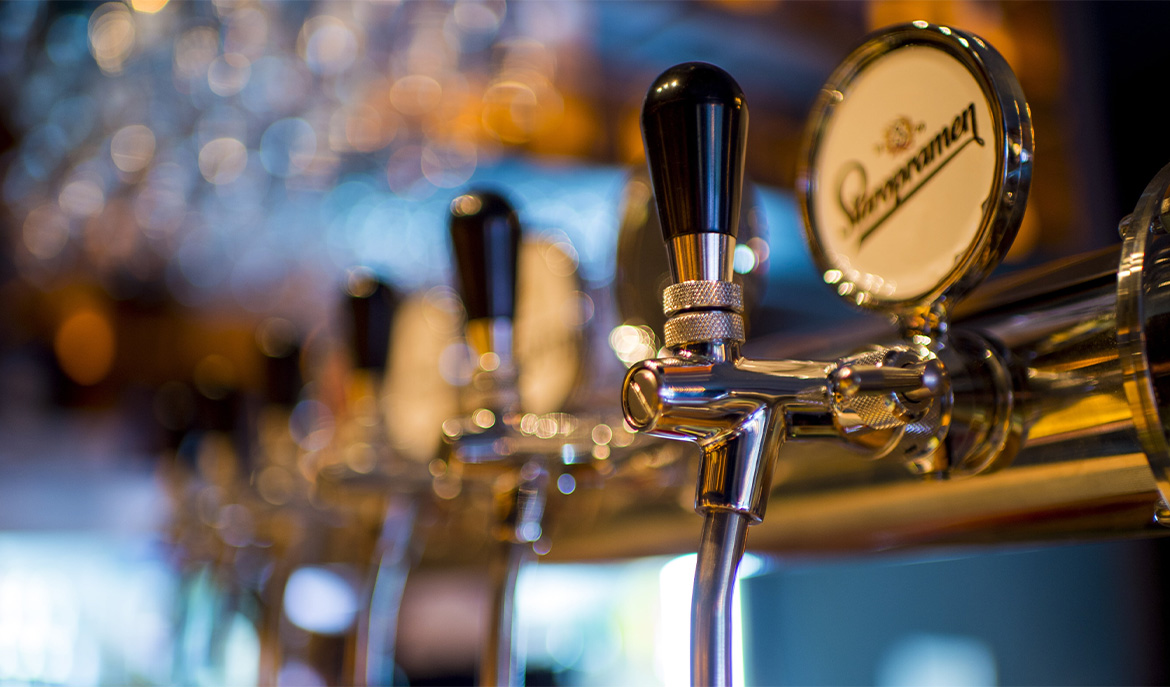
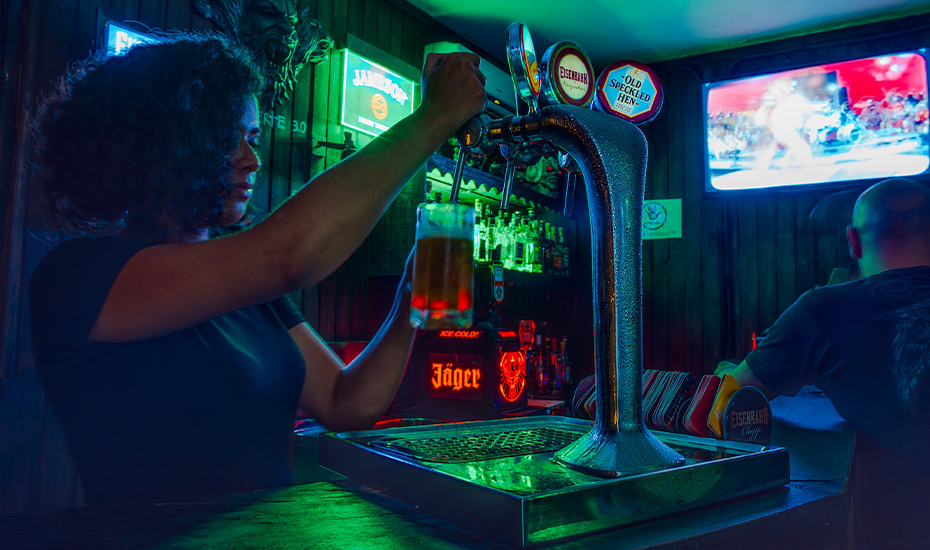
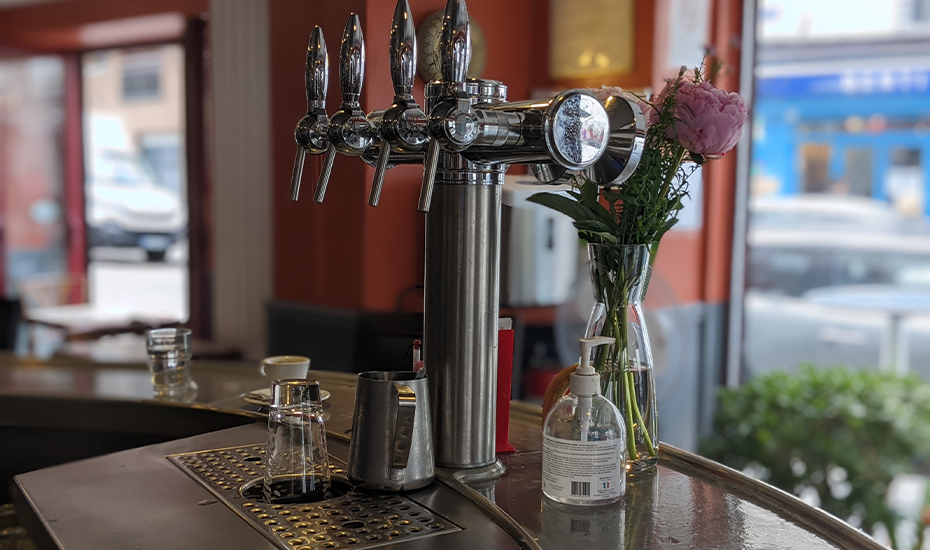
Beer tap installers have a wide selection of beer towers to choose from. There are options for all styles and in various shapes. From simple single-tap towers to multi-tap, arch-shaped, beer walls, and even those suspended from the ceiling.

On a raised work surface. This implementation allows the beer tower to be well displayed without completely encroaching on the customer counter. Many older establishments have been set up with this choice of implementation.

The placement of the beer tower is a compromise between aesthetics and service ergonomics. It is beneficial to share the tower between two service points if there are two bartenders at the bar. If there is only one bartender, the tower is placed according to the beer output volume relative to other drink preparation stations and the flow of movement.

The tower can be positioned at various levels. This decision is primarily an aesthetic choice and sometimes linked to technical constraints that necessitate a specific implementation decision. The three placements for the towers are:

- On the work surface: the tower is lower than the customer counter. This allows for not encroaching on the customer counter and in some cases, this solution can be appreciated because it does not highlight the beer. It hides the lower part of the tower and the drip tray.

- On the customer counter: this very rare solution often results from a technical constraint. Sometimes, for beer-specialized establishments, it can be an asset to showcase the towers.

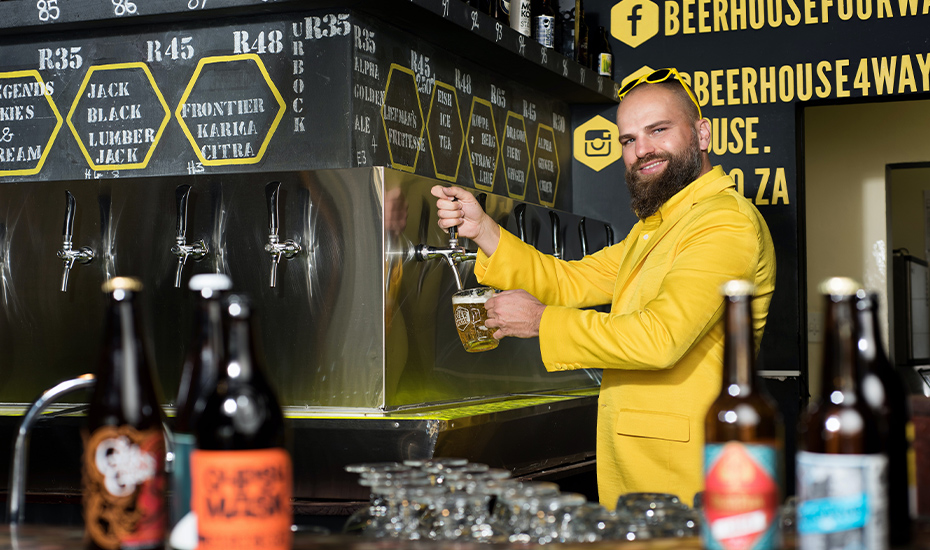
- Beer wall (tapwall): a solution increasingly used since 2010. Primarily used by beer-specialized establishments, this solution allows for offering a wide selection of beers in a limited space. The aesthetic choice is strong. The construction of the tapwall requires technical precautions to ensure waterproofing and a comfortable working environment. A beer tap wall is often custom-made. All the lines behind the taps must remain accessible for maintenance.

The tower can be prominently placed on the customer counter with its drip tray, or the drip tray can be on the bartender's work surface. The current choice is to make the tap less visible and to install the tap and drip tray on the bartender's work surface.

Beer Grate:

Reception grates should be equipped with a glass rinser to wet the glass and minimize foam formation during pouring. This grate is either installed by the beer system installer in the form of a grate or is already integrated into the stainless steel worktop. Visually, integration into the worktop is much more aesthetic. Especially since a grate installed on top of the worktop increases the number of corners to clean.

The width of the grate depends on the column. Generally, for a size ranging from one to three spouts, you should account for 40 cm in width. For more complex columns, adjustments are necessary. Standard grates in width range from 40 cm to about one meter wide.

Beer Glass Storage:

Near the beer column, it's ideal to keep a stock of beer glasses readily available. Ideally, this storage is next to or below the column on drawers or shelves. Some specialized establishments that handle significant volumes directly bring glass washing baskets on drawer slides.

If this storage is situated between the washing station and the beer, it is ideal because it saves on handling.

The number of beer glasses can quickly become significant. Therefore, it's important to calculate the rotation including clearing and washing to determine the number of glasses to have available at the bar.

Frosting Glasses:

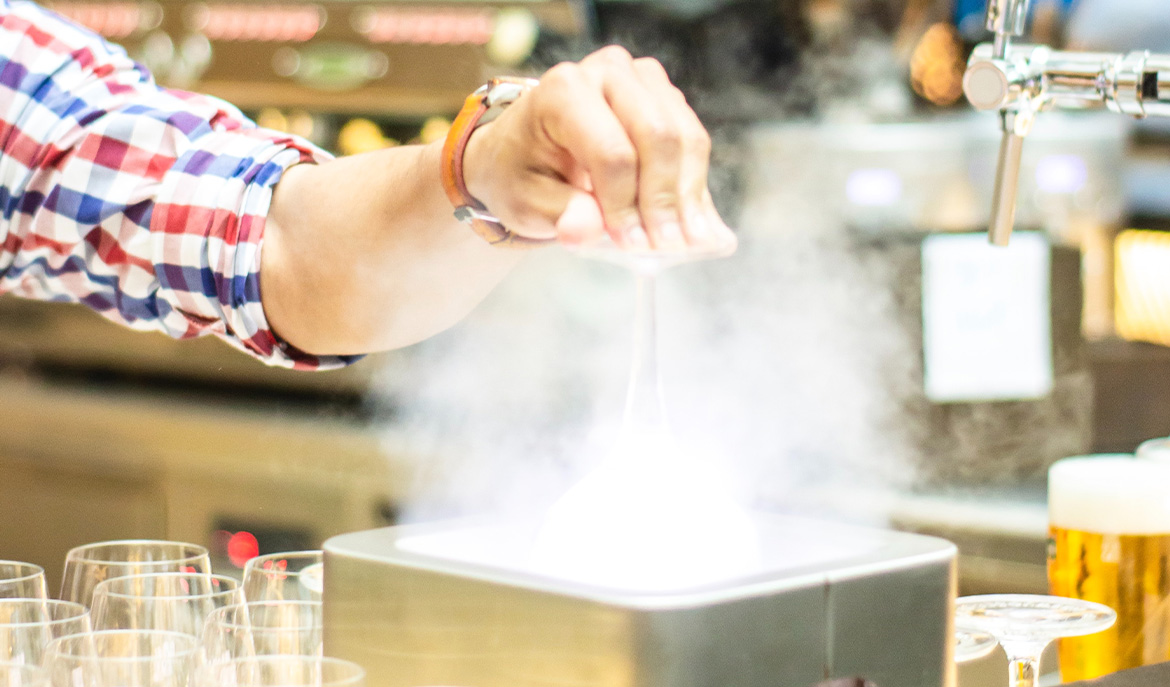
An interesting option is the glass froster. This allows serving beer in a frosted glass. Serving in a frosted glass creates a really high-quality effect during service. Some establishments reserve frosted glasses only for one or more selected beer references. According to sellers of these systems, it can really boost sales. Glass frosters can take the form of three systems:

It can be a negative refrigerator type with a heated seal freezer or glass froster.

More recent accessories have appeared, such as countertop glass coolers. These systems use the principle of gas decompression to create cooling. These systems are very CO2-consuming. Depending on the price of the gas refill, it costs between €0.19 and €0.35 per glass. To install these systems, you need the equipment to place or embed on the counter and a CO2 stock under the counter.
Bartender using a glass froster

An intermediate system is an under-counter refrigeration system that blows cold air through a tube into a glass placed on the counter. It allows you to frost a glass in 30 seconds.

For cafes and breweries, serving Picon beers, Monaco, and other beer cocktails is often requested. Quick access to bottles is beneficial in the form of a speed rack near the beer tap.

Beer Station Production Unit:

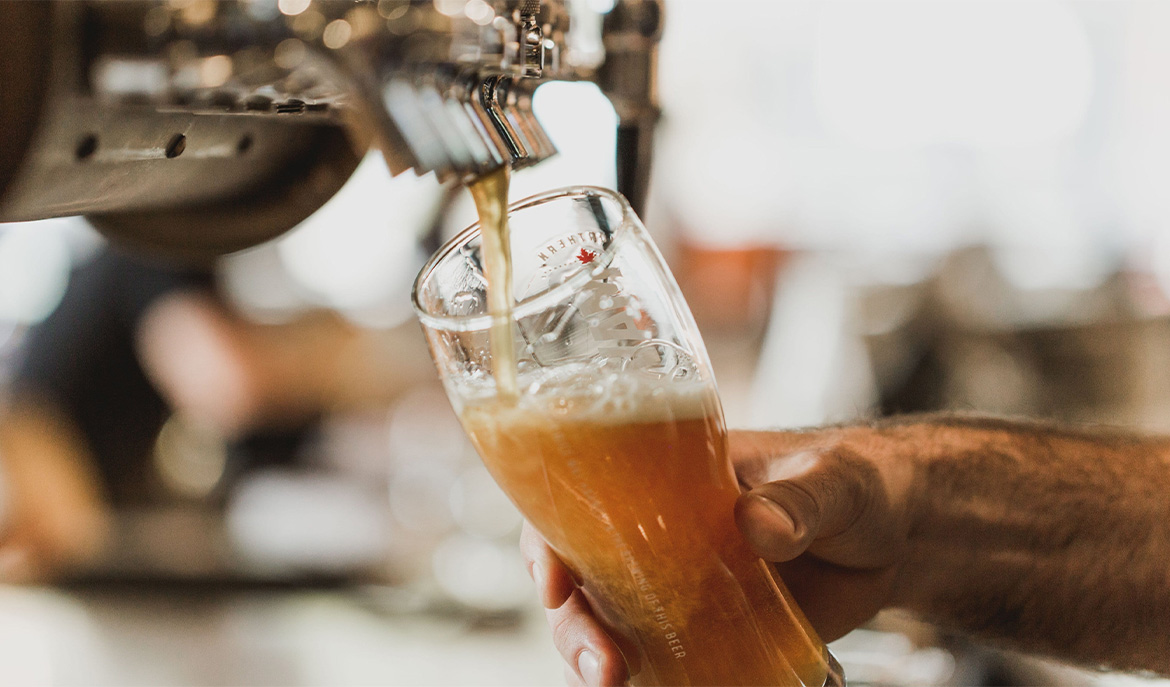
For beer pouring, the production unit of a beer column depends on access to the glass stock, the adjustment of the tap, and the bartender's skill. For a single glass at a time, it is estimated at 70 UP/h. However, if the tap is correctly adjusted, it allows the glass to be placed after initiating the pour. This way, the bartender can start multiple glasses simultaneously. For multiple draft pours, the average is 95 UP/h.

You may also be interested in these other tips